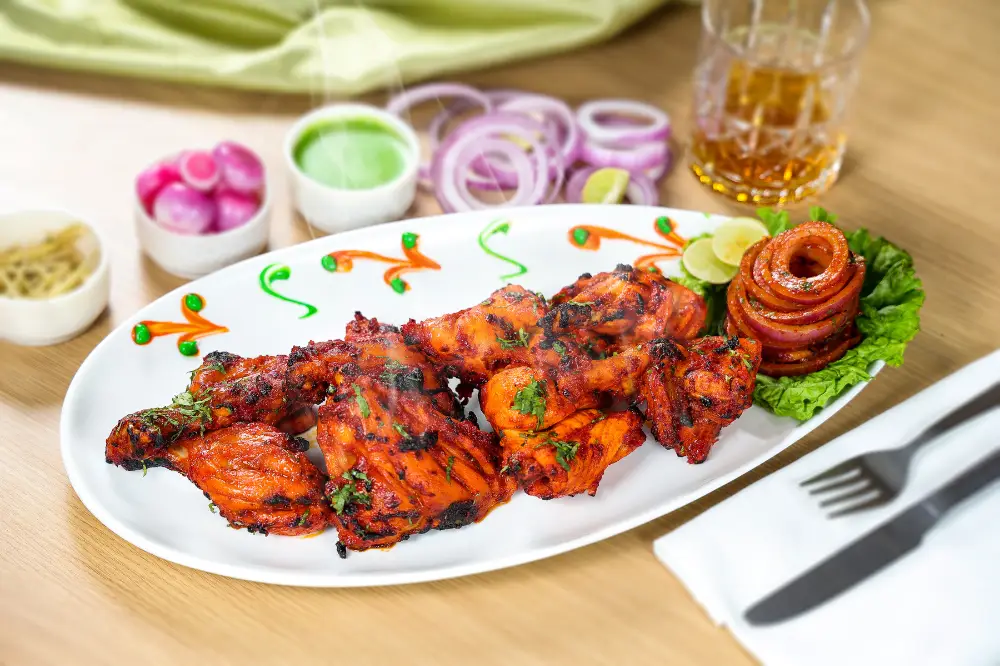
Those who have tasted authentic South Indian non-veg food know how rich and flavourful it can be, other than being labelled as just spicy. The real identity of South Indian cuisine comes in many ways, which we will be discussing in this blog.
At Swagath restaurant, we see this style of food not as a single style but as a collection of food traditions from different regions. If you’re looking for restaurants in Defence Colony, visit us to learn the regional influences that make each meal more meaningful.
Why South Indian Non-Veg Food Feels So Distinctive
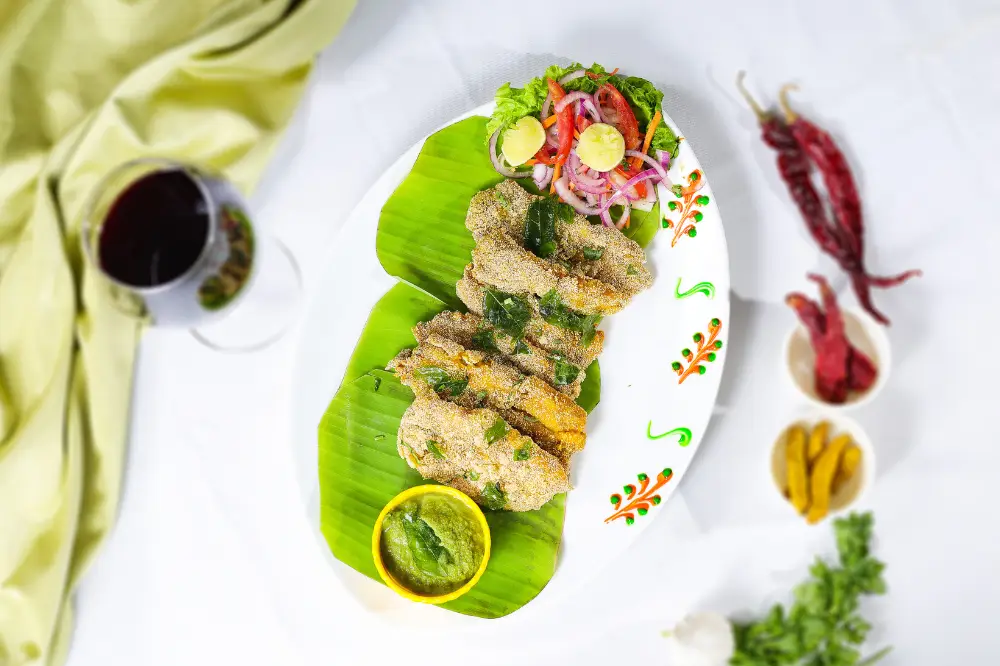
The main reasons why you can identify South Indian food and remember the taste are its rich flavours, regional diversity, cooking techniques, and preservation methods:
A Bolder Spice Profile
The bold character of South Indian cooking comes from layering spices rather than depending on heat alone.
- Freshly prepared masalas create a stronger aroma: Across many southern kitchens, whole spices are roasted before they are ground. Coconut, garlic, chillies and other ingredients may also be blended into a paste shortly before cooking. This fresh preparation gives the gravy a more vivid flavour and aroma than a standard premixed sauce.
- Roasting changes the character of spices: Dry-roasting whole spices helps release their natural oils and deepens their flavour. Once ground, these spices add warmth, nuttiness and complexity to chicken, mutton, fish and prawn preparations.
- Tempering builds another layer of flavour: Mustard seeds, cumin, dried chillies, curry leaves, and sometimes asafoetida are crackled in hot oil or ghee. This step releases their aroma and can change the entire character of a curry, chutney or accompanying dish.
A Cuisine Shaped by Geography
Regional diversity is one of the main reasons South Indian non-veg food feels so varied and memorable.
- Tamil Nadu favours peppery and robust preparations: Black pepper, tamarind and roasted masalas are frequently used to create dishes with sharp, bold and deeply aromatic flavours. Chettinad chicken and regional mutton curries clearly reflect this famous South Indian cooking style.
- Kerala combines seafood with coconut and tangy ingredients: Fresh fish and prawns are commonly cooked with coconut milk, coconut oil, curry leaves and regional souring agents. These ingredients allow Kerala’s seafood dishes to move between creamy, tangy, peppery and mildly sweet-savoury flavours.
- Andhra Pradesh and Telangana bring stronger heat and sourness: Red chillies, green chillies, tamarind, garlic and gongura often shape the flavour base. These ingredients create deeply spiced gravies with a fiery and tangy character.
- Coastal Karnataka and Mangalore offer a different balance: Seafood, coconut, tamarind, roasted spices and ghee come together in dishes that can feel rich, dry, aromatic and intensely spiced. This combination gives Mangalorean food a character that is distinct from both Kerala and Andhra coastal cooking.
The Importance of Traditional Pairings
These dishes are usually created with a specific accompaniment in mind.
- Rice absorbs thin, spicy gravies. Matta rice works well with Kerala curries.
- Appam and idiyappam soften strong coastal flavours.
- Parotta catches rich meat gravies between its flaky layers.
- Neer dosa is delicate enough to pair with dry or semi-dry Mangalorean dishes.
This rice-first and regional bread-based eating style changes the whole meal. The gravy, texture and level of spice are often planned so the dish can cling to rice, soak into bread or provide contrast to a softer accompaniment.
These pairings are not side details. They are part of the recipe itself because the right combination helps every flavour arrive in balance
Core South Indian Cooking Techniques
- Tempering: Hot oil or ghee is tempered with mustard seeds, cumin, curry leaves, dried chillies and other aromatics. The heat releases their aroma and provides the dish with a fresh final note.
- Grinding: Wet grinders, stone grinders and modern mixers are used for making batters, chutneys and masala pastes. Smooth grinding will affect the flavour and texture.
- Roasting and spice blending: Whole spices are often dry-roasted before grinding. This increases their fragrance and brings out warmer, nutty notes.
- Fermentation: The rice and lentil batters used for dosa, idli and uttapam are allowed to ferment. Fermentation imparts a subtle tang and a lighter feel.
- Steaming: Idlis, puttu, certain fish dishes and food items wrapped in leaves are steamed to retain the soft texture and clean flavour.
- Slow cooking (dum): Meat curries, biryanis and layered rice dishes are cooked slowly so that the spices move into the gravy, rice and protein. Dum cooking traps the aroma inside the utensil and allows the ingredients to cook together.
- Frying and shallow-frying: Coastal fish and prawn dishes are often fried to give a crisp outside and a moist centre. Spice pastes attach to the surface, becoming more intense with cooking.
- Leaf wrapping: Some dishes, like meen pollichathu, are wrapped in banana leaves to retain moisture and impart a mild smoky aroma.
Preservation as Part of Flavour
Traditional preservation methods help ingredients last longer while also adding deeper flavours to everyday meals.
- Sun-drying: Fish, vegetables, chillies and other ingredients are dried to extend their shelf life, especially in warm and humid regions.
- Pickling and salting: Vegetables, fish and spice pastes are preserved with salt, oil and souring ingredients, which deepen their salty, tangy and savoury flavours.
- Everyday flavour boosters: Dried fish, podi, spice powders, pickles and chutneys can add texture and intensity to a simple rice-based meal.
- Fresh home preparation: Batter, chutney, podi and masala are traditionally prepared at home rather than replaced with ready-made sauces.
- Traditional cooking tools: Earthen vessels, metal cookware, pressure cookers and banana leaves are selected according to the cooking method and dish.
Among restaurants in Defence Colony, places that respect these traditions can offer more than a wide menu. They can help diners understand the regional and cultural roots of the food.
Popular South Indian Non-Veg Food
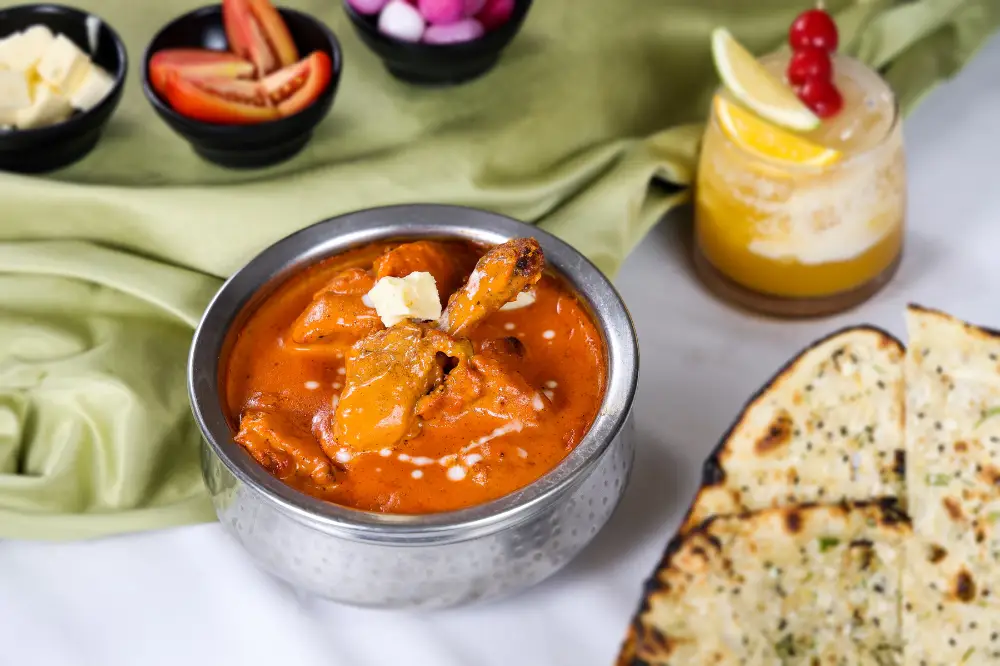
These dishes show how widely South Indian cooking can vary across states, ingredients, textures and methods:
- Chicken Chettinad, Tamil Nadu: This dish is known for its peppery heat and freshly ground masala. Black pepper, fennel, curry leaves and roasted spices give the chicken a bold and deeply aromatic flavour.
- Kerala Fish Curry: A classic coastal curry in which fish is cooked with souring ingredients, curry leaves and regional spices. Depending on the area, it may be sharp and tangy or softened with coconut milk.
- Meen Pollichathu, Kerala: Fish is coated with masala, wrapped in a banana leaf and cooked gently. The leaf holds in moisture while adding a subtle smoky aroma to the fish.
- Prawn Kuzhambu, Tamil Nadu: Prawns are cooked in a spicy and tangy gravy, often built with tamarind, chillies and roasted spices. The bold gravy pairs especially well with plain rice.
- Andhra Chicken Curry: This curry reflects Andhra Pradesh’s strong preference for chilli heat and robust spice. Green chillies, garlic and a deeply cooked masala create an intense flavour that is best balanced with rice.
- Hyderabadi Biryani: Meat and fragrant rice layered with aromatic spices and slow-cooked by the dum method. This technique allows the flavours of the meat, rice and spices to combine but keeps each layer separate.
- Gongura Mamsam, Andhra Pradesh: Gongura leaves, garlic, and chillies are used to cook the mutton. The natural sourness of the Gongura adds a tangy and memorable flavour to the curry, different from tamarind-based gravies.
- Karimeen Fry, Kerala: Pearl spot fish is coated in a spiced marinade and fried until crisp on the outside. This cooking method keeps the fish moist inside while intensifying the flavour of the masala.
- Pandi Curry, Karnataka: This traditional Coorg pork curry is known for its dark colour, strong spices and deep regional character. Its rich and earthy flavour makes it one of Karnataka’s most distinctive meat dishes.
- Fish Molee, Kerala: Fish is gently cooked in coconut milk with mild spices and curry leaves. Unlike fiery coastal curries, fish molee is creamy, comforting and delicate in flavour.
These recipes prove why South Indian food cannot be generalised to one level of spice or one type of gravy. Some of the dishes are dry and peppery. Others are smoky, coconut-heavy, tangy, fiery or mild.
At Swagath, we want to help diners experience this range of food as a connected tradition of food. We want each dish to retain its regional character, rather than being made to taste like a standard curry.
A Cuisine Shaped by Place and People
The best South Indian non-veg food stands out because every region has its own balance of spice, sourness, coconut, pepper and fresh masalas. From Kerala’s seafood curries to Tamil Nadu’s peppery dishes, Karnataka’s coastal flavours, and Andhra’s fiery gravies, the cuisine is a treasure trove of variety. Swagath celebrates these regional traditions with carefully prepared dishes and authentic pairings. For diners seeking restaurants in Defence Colony, our menu is a tasty introduction to the diversity, heritage and warmth of South Indian cooking.