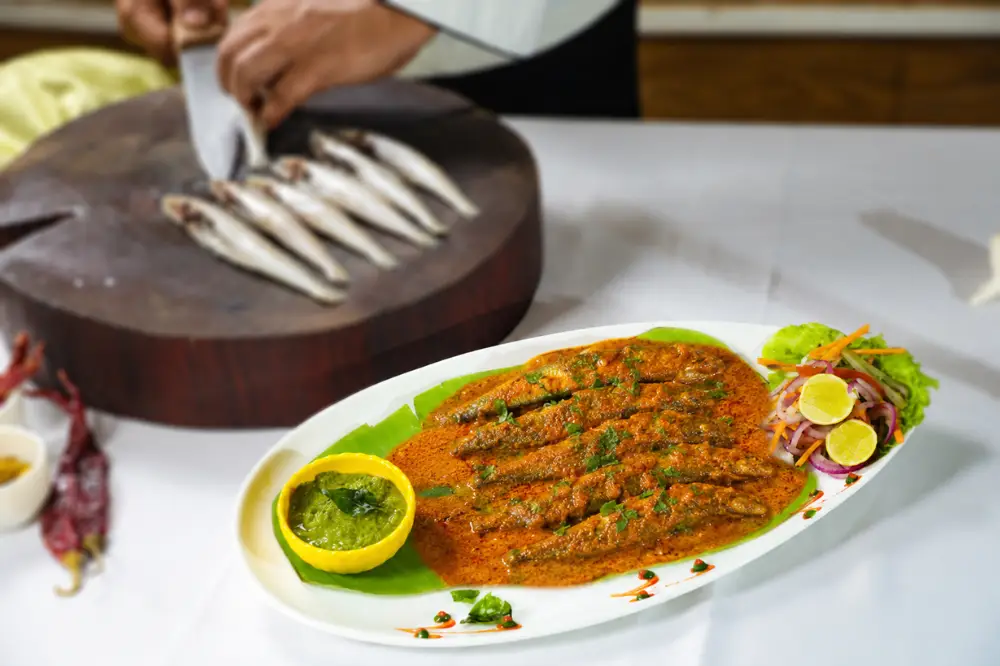
India showcases its culinary diversity in various forms. Indian seafood is one of them, with popular fish curries that are savoured worldwide. We have seafood on a spicy note with mustard in Bengal, creamy with coconut in Kerala, or hot with tamarind in Andhra Pradesh.
When in Gurgaon, you should take the opportunity to witness these differences at Swagath Restaurant, where we treat these differences as the heart of Indian seafood, not minor recipe changes.
This blog explores some of the best regional fish curries that are popular in India.
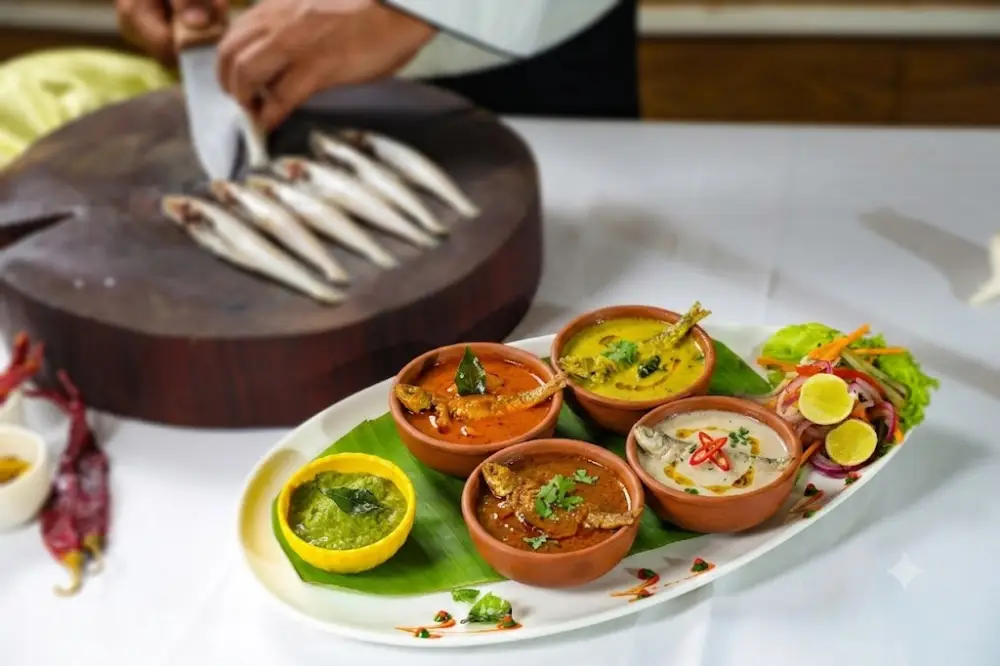
The fish is cooked differently from region to region in India based on the local climate, the crops, and the rivers and coasts. Mustard oil is the staple of many Eastern recipes; kokum, tamarind and coconut are the soul of coastal Indian food.
The geography also changes the fish. Bengal and Assam are largely dependent on freshwater species, while Goa, Kerala, Maharashtra and Tamil Nadu generally use fish available near the coast.
A traditional fish curry recipe is therefore more than fish cooked in gravy. It reflects the oils, souring ingredients, spice blends and eating habits of its region.
Maacher Jhol is one of the most comforting everyday fish dishes in India. Usually it is made with freshwater fish such as rohu, katla or hilsa.
Mustard oil, turmeric, ginger, green chillies and mustard seeds provide a light but distinctive gravy. Some families will add tomato, potato or nigella seeds, while others will keep the curry simple so the fish is the main flavour.
Unlike thick gravies served at a seafood restaurant, Maacher Jhol is usually thin and delicate. It is traditionally served with steamed rice as part of an everyday Bengali lunch.
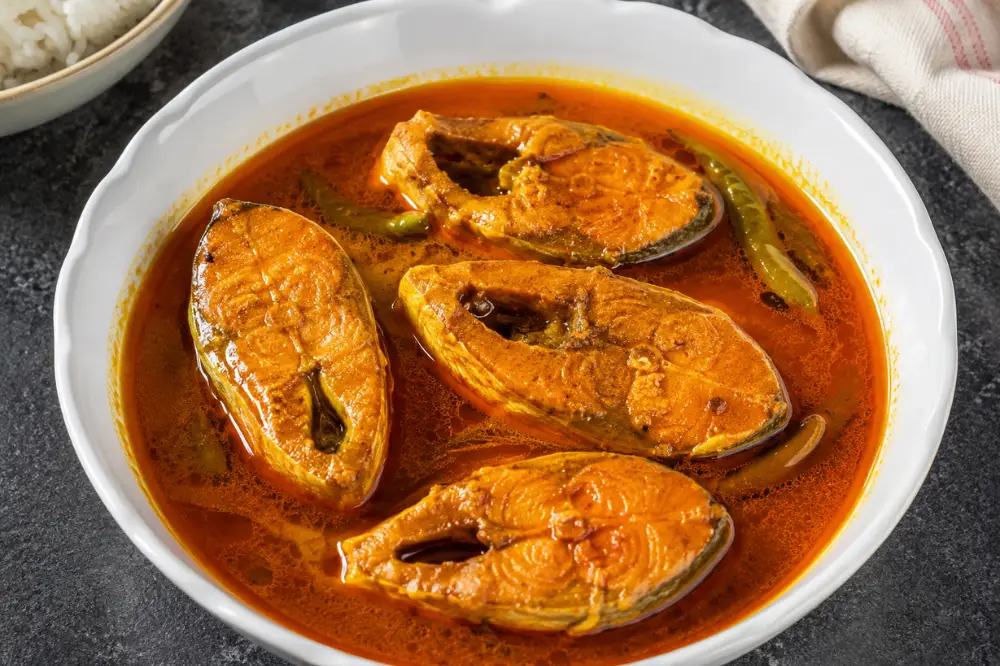
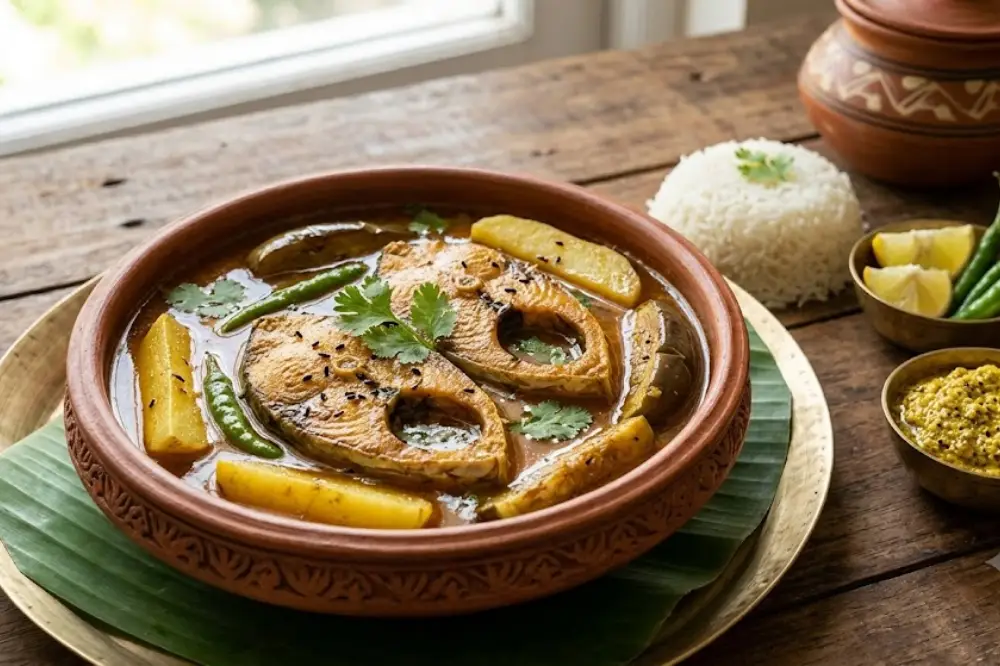
Ilish Maacher Jhol is a tribute to the hilsa, a rich, naturally oily fish with a strong flavour. The recipe generally uses mustard oil, turmeric, green chillies and sometimes mustard paste.
The gravy is light as well, because too many spices can hide the natural character of the hilsa. You could add potato or aubergine so they can soak up the fish oil and subtle mustard flavour.
Hilsa is also connected with seasonal eating and Bengali celebrations. This makes the curry both a regional favourite and an important part of cultural food traditions.
Goan fish curry is known for its bright colour, its coconut base and its sharp sourness. Pomfret, kingfish, mackerel or other firm fish are often used as it doesn’t break up in the gravy.
The curry paste usually consists of dried red chillies, coriander, cumin, garlic and coconut. The sourness comes from the tamarind or kokum. Some Goan Catholic versions use vinegar, a throwback to Portuguese influence.
Among Indian fish curries, this one is especially popular because it balances chilli heat with coconut richness. It is best enjoyed with steamed rice or traditional Goan red rice.
Kerala has many coconut-based curries, but Meen Alleppey and Varutharacha Meen Curry are two very different styles.
Meen Alleppey uses coconut milk, curry leaves, and sometimes raw mango. The gravy is mild and tangy and almost stew-like, so it is good for diners who prefer milder Indian seafood.
Varutharacha Meen Curry starts with roasting coconut and spices until they are dark and aromatic. The mixture is then mashed to a paste, creating a thicker, more intense curry.
Seer fish and pearl spot are used in both preparations. These curries are good with rice and appam, as they absorb the coconut gravy without overpowering it.
Masor tenga is a light Assamese curry based on sourness, not heavy spice. The word “tenga” is about its tangy character.
Rohu or other river fish are cooked in a thin gravy with tomato, lime, elephant apple, or other local souring agents. You can use mustard oil, but the overall flavour is still mild and refreshing.
This curry is often served in warm weather or towards the end of a meal. Its clean taste makes it an important example of how fish dishes in India can be flavourful without being heavy.
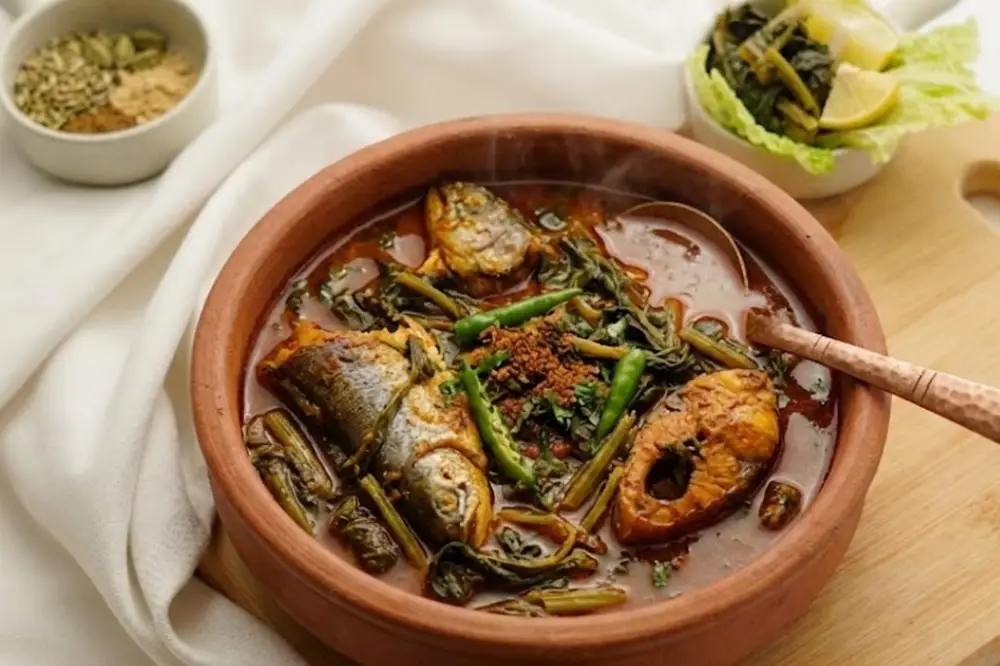
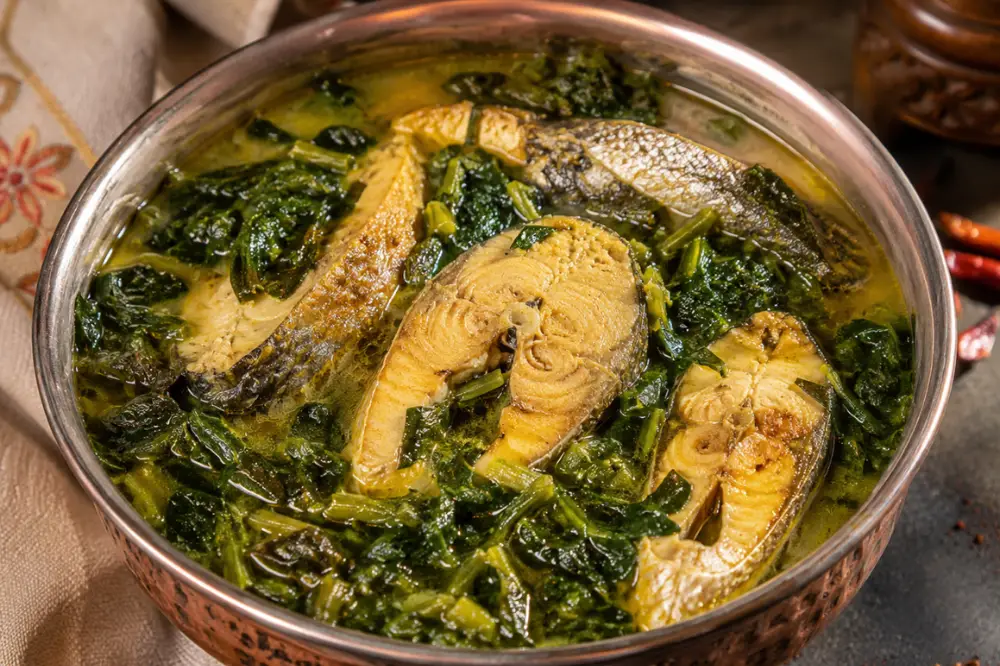
Gaadh Te Haak is fish cooked with haak, a leafy green native to the region similar to collard greens. It proves that memorable fish cooking is not just for the coastal states of India.
The curry is based on restrained spices so that the earthy bitterness of the greens can meld with the mild sweetness of the fish. It is usually light and broth-like in consistency.
Served with rice, the dish reflects the Kashmiri preference for allowing key ingredients to remain clear. It offers a striking contrast to coconut-rich or chilli-heavy curries.
Chepala Pulusu is one of the bolder fish curries of South India. Nellore and other parts of Andhra Pradesh are especially associated with it.
Fish is cooked in a bright red gravy made from tamarind, onions, tomatoes, garlic and chill. Some versions use poppy seeds in the sauce.
The final curry is spicy, sour and slightly thick. Plain rice is the ideal pairing because it softens the chilli while carrying the tamarind-rich gravy.
This is a useful dish for diners who want Coastal Indian food with a direct and intense flavour profile.
Macha Besara is an Odia curry of mustard paste in mustard oil. Rohu is commonly used, as its firm texture works well with the strong gravy.
The tempering often includes panch phoron, a five-spice blend of mustard, cumin, fenugreek, nigella and fennel. This adds a layered aroma of bitter, sweet and earthy notes.
Potatoes are frequently added because they absorb the mustard gravy. For anyone researching a sharp and rustic fish curry recipe, Macha Besara is a strong regional example.
Malvani fish curry is from the Konkan coast of Maharashtra. The deep red colour comes from dried chillies and the region’s signature Malvani masala.
The masala may include coriander, cumin, pepper and aromatic spices, roasted and ground. Coconut adds richness, and kokum provides a clean sour taste.
Pomfret, mackerel and kingfish are commonly used, though freshwater fish may also appear. The curry is smoky, spicy and slightly tangy, making it a central part of Coastal Indian food.
It is often served with steamed rice, fish fry and pickled onions.
Meen Kuzhambu is a classic Tamil curry known for tamarind, curry leaves, mustard seeds and red chillies. Seer fish is commonly used, and coconut may be included depending on the local style.
The gravy is tangy and spicy and goes well with plain rice. For many people, it’s a comfort food every day, too, because the ingredients are simple and familiar.
Chettinad fish curry recipe is more complicated. The addition of black pepper, fennel, cinnamon, coconut and roasted spices makes the gravy thicker, darker and more aromatic.
Together, these curries show the wide spectrum of Tamil cooking. One is straightforward and tamarind-led, while the other is deeper, smokier and more suitable for a special meal.
The choice depends on the flavour the diner prefers:
These distinctions can help someone choose confidently at a seafood restaurant instead of ordering only by the name of the fish.
India’s fish curries are stories of rivers, coastlines, homegrown spices, and family cooking. From the mustard gravies of Bengal to the coconut curries of Kerala and the fiery pulusu of Andhra, each region is a different experience.
Go beyond a generic idea of a fish curry recipe by finding a good seafood restaurant in Gurgaon. Visit Swagath and witness how our menu depicts coconut, mustard, tamarind, kokum, and roasted spices to offer unique regional experiences.
Our regional preparation is central to the experience of Indian seafood. Diners can explore the depth of coastal cooking while choosing dishes that suit their preferred level of spice, sourness, and richness.
