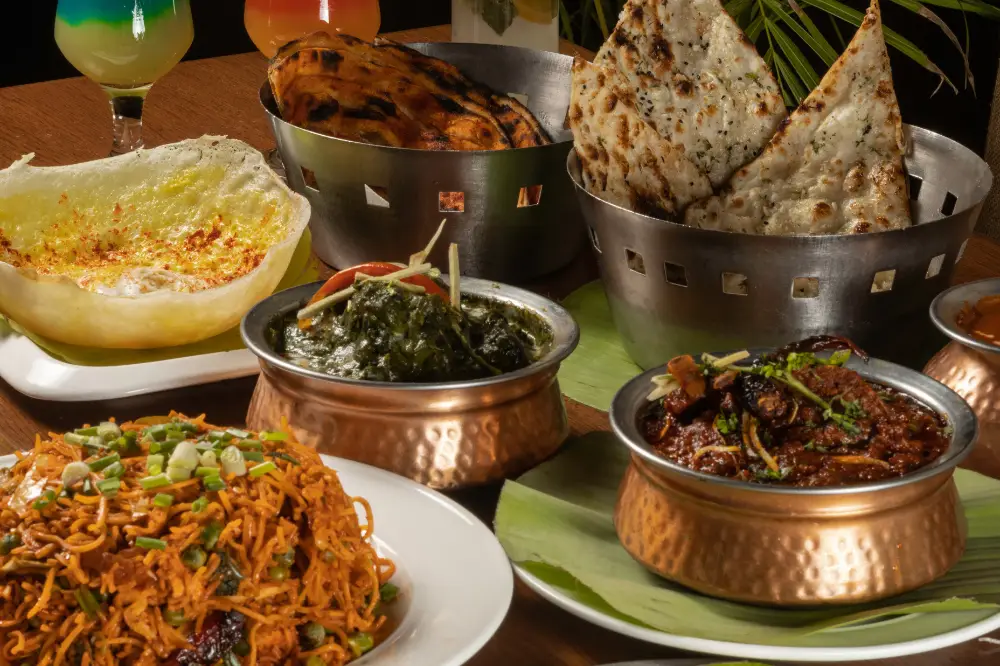
When people of different countries order an Indian dish and are heard praising its taste, you get the idea of its popularity. Its biggest claim to fame is the way it brings comfort, colour and character to the table. The world-famous Indian dishes feature everything from creamy curries and fragrant rice to crisp snacks, fermented breakfasts and syrup-soaked desserts.
At Swagath Restaurant, we celebrate this diversity, with food that respects the local ingredients and traditional methods. If you’re looking for a restaurant in Gurgaon, exploring authentic Indian food is a delicious way to discover how India’s many regions express flavour through spice, texture, aroma and technique in every carefully prepared dish.
Famous Indian Dishes That Have Found Fans Worldwide
These popular Indian dishes show why Indian cuisine continues to thrill diners across cultures.
North Indian favourites
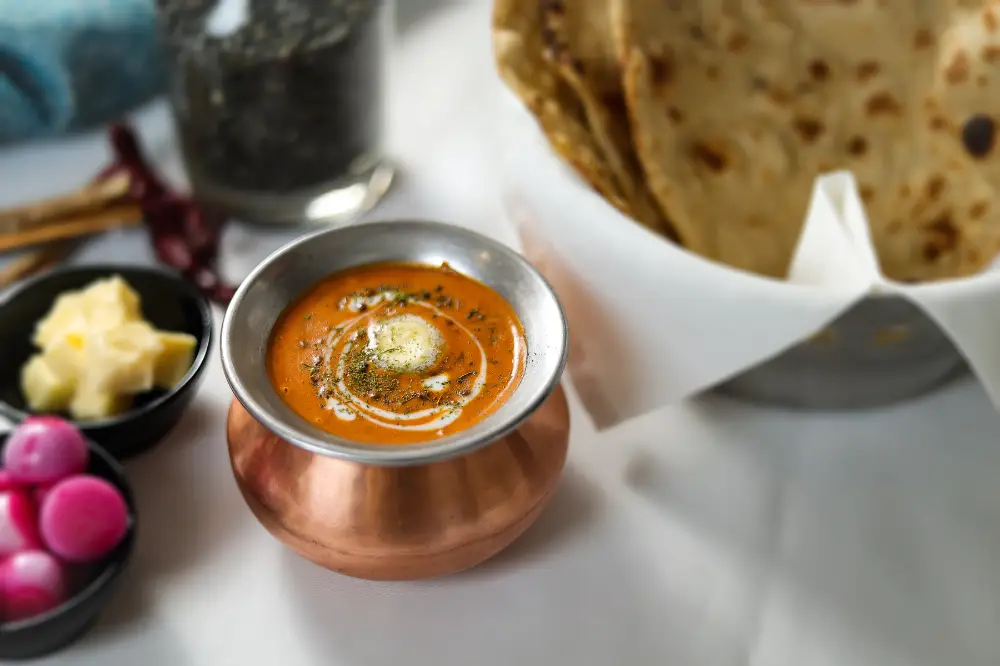
In Northern India, you’re more likely to find dairy mixed with tomato, whole spices combined with grilled meat, and lentils with baked bread. Now standard menu items everywhere for their rich textures and familiar curry formats.
- Butter Chicken: Chicken pieces are marinated with yoghurt, ginger, garlic, spices and cooked in a tandoor or pan. Then it’s finished in a smooth gravy of tomatoes, butter and cream. The result is a creamy, tangy, and mildly spiced dish that appeals to diners who like their heat to be balanced.
- Tikka Masala: Marinated pieces of the chosen protein (chicken/paneer/fish) are grilled and then simmered in a spiced tomato and cream sauce. The grilled ingredients add smokiness, while the gravy brings richness, colour and moderate heat. Its familiar curry format and strong British-Indian restaurant history have made it widely popular.
- Biryani: Basmati rice is layered with marinated meat/vegetables, fried onions, herbs, whole spices and occasionally, saffron. The pot is sealed and cooked slowly by the dum method, allowing the rice to soak up the fragrance of the meat and spices. Hyderabadi and Lucknowi Biryani are the most famous Indian dishes that are enjoyed worldwide.
- Tandoori Chicken: Chicken is marinated in yoghurt, lemon and spices and cooked at high heat until charred outside and juicy inside. It is easily recognised by its red-orange look, smoky smell and tangy taste. It can be served as a starter, a sharing plate or a main dish.
- Naan: Naan is made from leavened refined flour dough, traditionally baked against the hot wall of a tandoor. It is soft, a bit chewy and lightly charred, usually with butter brushed on top. Its capacity to mop up thick gravies has seen it become a standard accompaniment in Indian restaurants across the world.
- Dal Makhani: Slow-cooked black lentils and kidney beans in butter, cream and spices. Long cooking makes the lentils smooth and deeply flavoured. It usually goes with naan, roti or rice.
If you are planning to dine at a restaurant in Gurgaon, try these northern favourites that offer a familiar starting point before exploring India’s more regional flavours. You will find Swagath in Gurgaon with a broader menu that allows our guests to compare creamy gravies, grilled dishes, rice preparations and vegetarian classics.
South Indian Classics
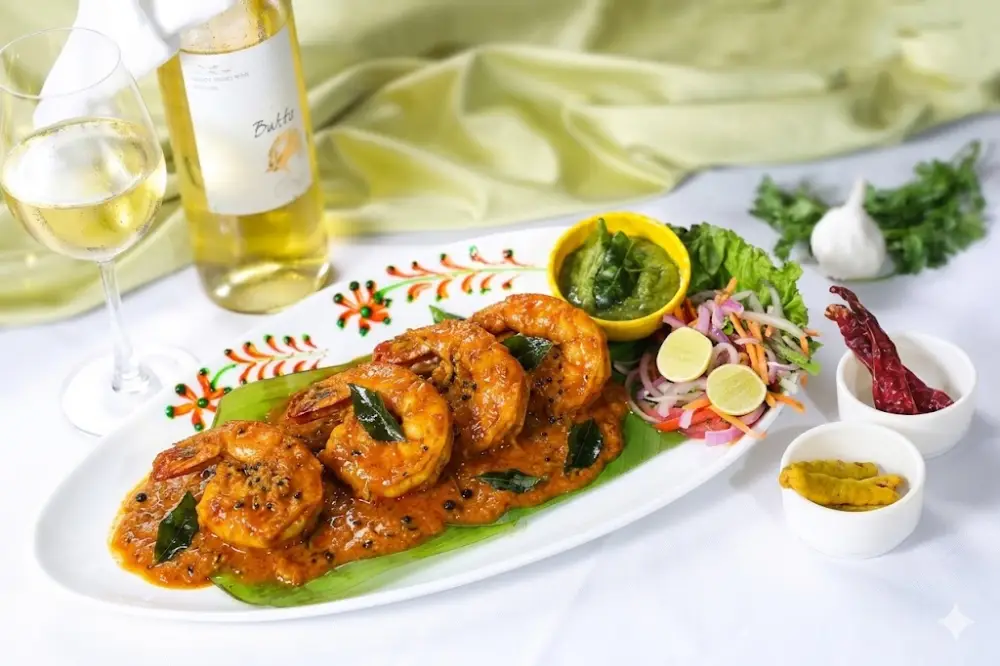
Southern Indian cuisine uses rice, lentils, fermentation, coconut, curry leaves and regional breads. The dishes are often light and satisfying, attractive to diners seeking vegetarian, rice-based or lower-oil options.
- Dosa: a thin pancake of fermented rice and lentil batter cooked on a hot griddle until crisp. The masala version is filled with spiced potato masala and served with chutneys and sambar. The dosa is crunchy, the filling is soft and the accompaniments are tangy, making it hearty enough to be a meal unto itself.
- Idli: A soft, round cake made of a fermented rice and lentil batter, steamed. The idlis are mildly tangy and absorb sambar and chutneys well. They are low in oil and have a soft texture, making them popular for breakfast or as a light meal.
- Uttapam: Uttapam is made from a batter of fermented rice and lentils and cooked thicker than dosa. Onions, tomatoes, chillies or coriander are also added to the batter. It is tangy and filling and can easily be adapted with other vegetables.
- Appam: It is a fermented rice pancake in the shape of a bowl. Soft fluffy centres and thin, delicate edges. Its mild flavour makes it a good match with coconut-based stews, seafood curries and meat gravies.
- Coastal Fish Curry: Fish curries vary widely across India’s coastal regions. Some use coconut milk for a smooth finish (Mangalorean gassi), while others rely on tamarind, kokum or roasted spice pastes for sourness and depth (Mangalorean sukka). The balance of acidity, heat and natural seafood sweetness gives each version a regional identity.
- Tawa-Fried Seafood: Fish or prawns are marinated with spices and cooked on a hot flat griddle. The direct heat caramelises the seafood, with a slightly smoky, concentrated flavour that doesn’t overpower the freshness.
These preparations have helped authentic Indian cuisine find global audiences interested in fermentation, vegetarian meals and naturally rice-based dishes.
For diners who opt for a dine out, coastal dishes can reveal a side of Indian cooking that seems especially fresh, regional and different from dairy-rich gravies.
Indian Desserts Loved Beyond India
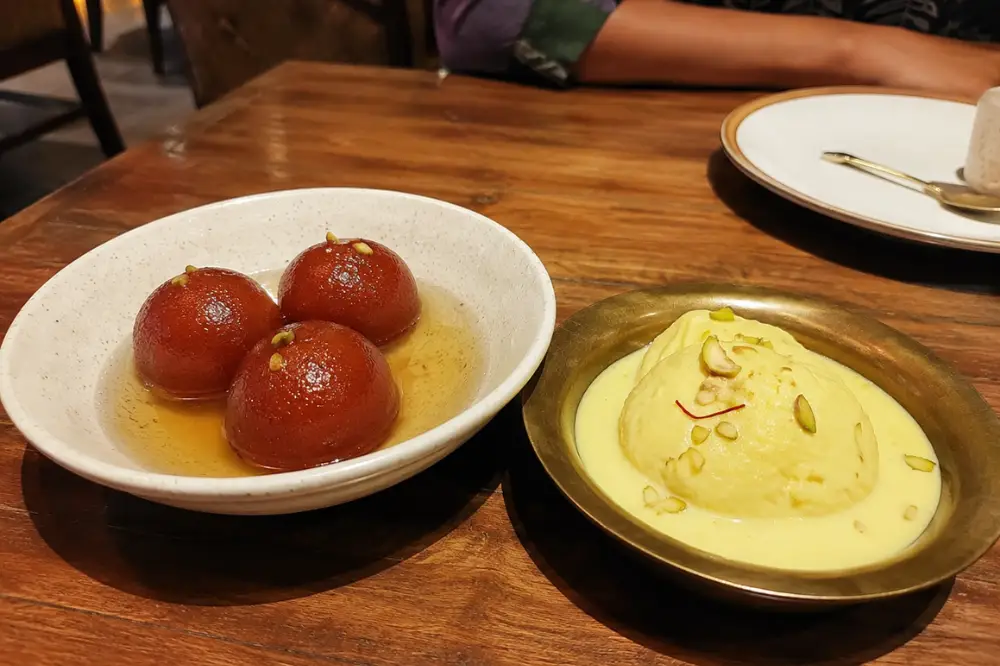
Indian desserts often use milk, sugar, cardamom, nuts, saffron and rose. Their appeal comes from distinctive textures, festive associations and familiar formats such as pudding, fried dough and frozen treats.
- Gulab Jamun: Dough made from milk solids or milk powder is shaped into balls, fried and soaked in fragrant sugar syrup. The texture is soft and almost melting, while cardamom and rose add aroma. It remains one of India’s most recognised celebration sweets.
- Jalebi: Batter is put into cones to make spiral shapes that are fried and soaked in sugar syrup. Crispy on the outside and syrupy on the inside (sometimes with a little tang from the batter). Its bright colour and easily recognisable shape make it particularly attractive on a dessert counter.
- Rasgulla: These are balls of chhena, cooked in a light sugar syrup until they are spongy. The flavour is milky and delicate, not deeply rich. When served cold, it has a lighter finish than most fried Indian sweets.
- Kheer: Rice is cooked with milk, sugar, cardamom and nuts till creamy. It comes in the familiar pudding-like form, with saffron, pistachio or regional ingredients adding variety.
- Kulfi: Milk is reduced, flavoured and frozen slowly to produce a dense dessert with a richer texture than regular ice cream. Popular flavours are saffron, cardamom, pistachio, mango and rose. Its slow melting quality and rich dairy taste give it an identity of its own.
Together, these famous Indian dishes demonstrate the extraordinary range of India’s food culture, from tandoor cooking and dum biryani to fermented batters, coastal curries, street snacks and milk-based desserts.
Why Indian Flavours Find a Home Everywhere
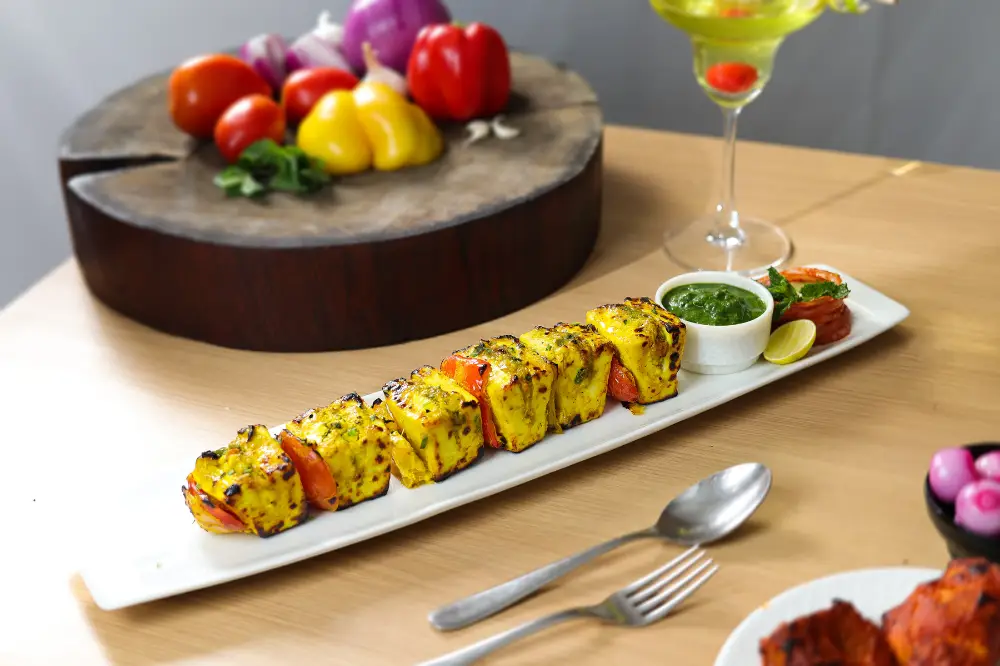
The worldwide success of Indian food is not accidental. These dishes travel well because they can retain their identity while adapting to different ingredients, spice preferences and dining formats.
- Several flavours are balanced at once: Butter chicken is a mix of tangy tomato, butter, cream and spices. Biryani is a mixture of aroma, richness and freshness along with rice, herbs and whole spices. Fish curries balance heat with coconut and souring ingredients.
- They can be tailored to local tastes in spices: The heat of chilli can be altered without losing the main character of a dish. Ginger, garlic, tomatoes, coconut, herbs and whole spices all add depth, but a curry can be made milder.
- They have strong visual appeal: Bright gravies, charred tikkas, colourful starters and saffron-tinted biryani are easy to recognise. Their colours and textures help them stand out on menus, social media and restaurant tables.
- Their aromas create immediate interest: Tandoor smoke, roasted spices, curry leaves, saffron and tempered ghee make many dishes appealing before the first bite. Aroma remains an essential part of the Indian dining experience.
- They offer substantial vegetarian variety: Paneer, lentils, potatoes, chickpeas and vegetables are treated as complete dishes rather than basic substitutes. This helps Indian food meet the expectations of vegetarian diners around the world.
- They include rice-based and gluten-free choices: Dosa, idli, appam, biryani and many curries suit diners who avoid gluten, provided they are prepared carefully without cross-contamination.
- Diaspora communities introduced them worldwide: Indian communities in the United Kingdom, the United States, the Middle East, Australia and other regions opened restaurants, cooked at home and introduced local diners to regional food traditions.
- Restaurant networks helped recipes evolve: Dishes such as chicken tikka masala have gained recognition through established restaurant culture outside India. The recipes are adapted to local preferences, but Indian spice structures and cooking methods remain central.
This variety also allows a restaurant in Gurgaon to serve diners with very different palates, from those looking for familiar creamy curries to those who want to try local seafood or fermented fare.
We at Swagath, view this global popularity as a testimony to India’s culinary versatility. Enjoy a connected expression of authentic Indian cuisine, where diners can start with a familiar curry, discover a coastal speciality and finish with a traditional sweet.
Best Indian Food Right Around the Corner
Indian food is loved around the world because it offers comfort, variety and discovery in equal measure. The famous Indian dishes you see on menus around the world are known for their regional techniques, adaptable flavours and memorable textures. At Swagath restaurant, we combine these traditions with northern classics, southern favourites and coastal specialities.
For anyone looking for a restaurant in Gurgaon, our menu offers a welcoming way to experience authentic Indian cuisine through dishes that have travelled widely without losing the character that made them special.