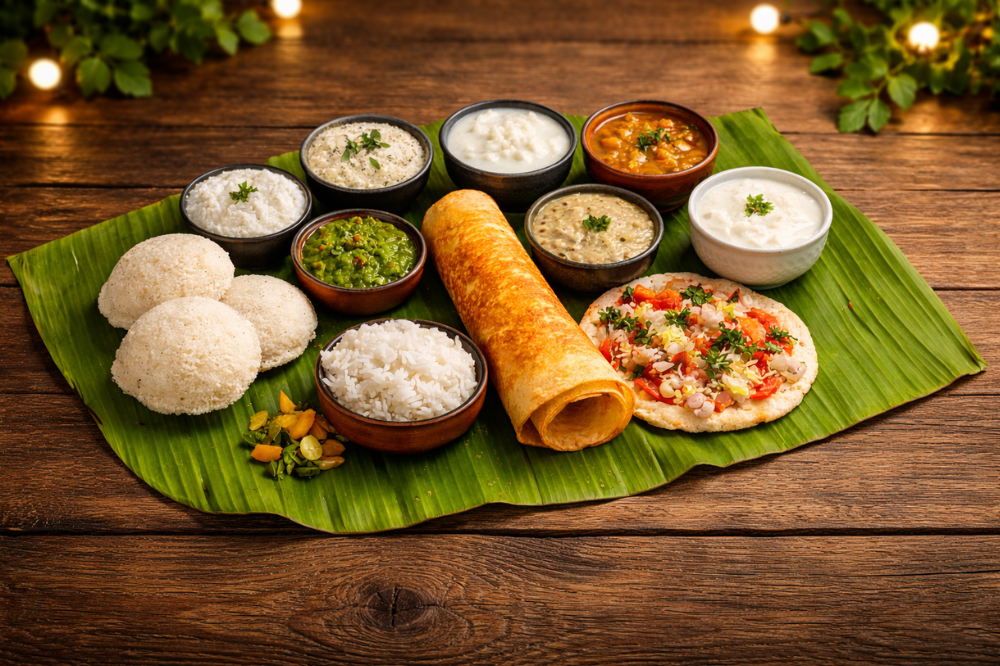
The health benefits of traditional South Indian fermented foods are undeniable, as people have shared numerous positive experiences. Long before they were given new labels due to health trends, they had been a part of Indian generations’ regular meals.
Fermented foods from South India are still notable today for their inherent capacity to aid in digestion, nourishment, and general balance.
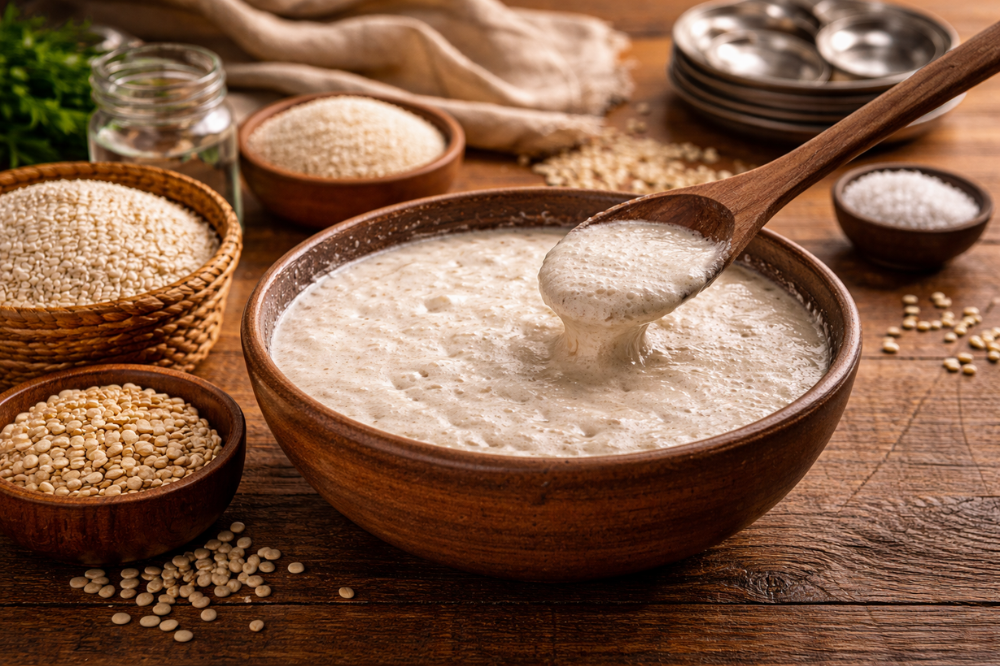
Fermentation is a natural method of food preparation where food components are gradually broken down by microorganisms like bacteria or yeast. In South Indian cooking, this typically entails soaking rice, lentils, or millets and letting them sit for a few hours or overnight.
Natural fermentation starts during this time of rest. The ingredients undergo a gentle transformation during the process, which enhances their digestibility and texture.
During fermentation, important changes take place, such as:
Many fermented foods feel lighter on the stomach than non-fermented foods because of these changes. Traditional methods are still effective today because they don’t use artificial inputs or preservatives.
Many Indian fermented foods are based on this natural transformation, which facilitates the body’s processing and absorption.
When incorporated into balanced meals on a regular basis, traditional South Indian fermented foods have several health advantages. Below are the key benefits:
The beneficial effects of fermented South Indian food on digestion are among its most well-known advantages.
The digestive system is less stressed because the fermentation process starts to break down food before it is consumed.
The bioavailability of vital nutrients is increased by fermentation.
Because of this, South Indian fermented foods are more nutritious than merely satisfying.
Gut health is closely linked to the immune system.
Consuming probiotic foods on a regular basis supports immunity by preserving a healthy gut environment.
Advantages consist of:
This link was recognized by traditional diets long before it was brought to light by contemporary science.
Complex substances that are frequently challenging to digest are broken down by fermentation.
Naturally high in fiber are millet-based dishes like koozhu and fermented rice.
Long-term digestive health is supported by this feature of Indian fermented foods.
Fermented foods help reduce a meal’s glycaemic impact when they are eaten with vegetables, lentils, or protein-based sides.
Because of this, fermented foods in South India are a sensible option for balanced diets.
Fermented foods support metabolism by improving nutrient usage.
This natural energy boost is one reason fermented breakfasts remain popular.
South Indian cuisine offers a wide variety of fermented dishes that are eaten regularly as part of daily meals. These foods combine nourishment, comfort, and practicality.
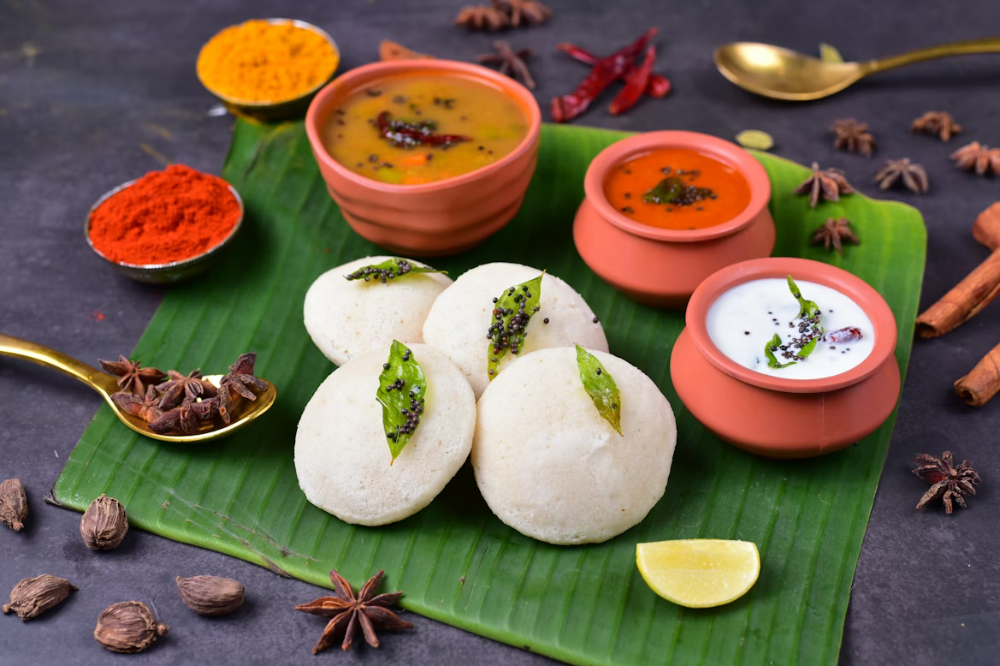
Idli is made from fermented rice and black gram batter and steamed until soft.
Nutritionally, idli provides easily digestible carbohydrates, plant-based protein, and B vitamins produced during fermentation.
Because of its light texture, idli is often recommended for people with sensitive digestion.
Dosa batter undergoes natural fermentation before being cooked into thin pancakes. Varieties include paper dosa, masala dosa, and wheat dosa.
Dosa offers sustained energy release, improved mineral absorption, and gut-friendly bacteria from fermentation.
Uttapam is a thicker fermented pancake, usually topped with vegetables. It provides fibre from vegetables, Carbohydrates for energy, and better digestibility due to fermentation.
These soft-centred rice pancakes are lightly fermented and often enjoyed with vegetable or coconut-based curries. They are light on digestion, naturally low in fat, and suitable for regular meals.
Adai is prepared using a mixture of lentils and rice. It is valued for higher protein content, slow energy release, and improved digestibility compared to non-fermented alternatives.
Leftover cooked rice is soaked in water and allowed to ferment overnight. This dish is known for having cooling properties, easy digestion, and natural probiotic benefits.
A fermented porridge made from millets or broken rice. It offers high fibre content, hydration support, and sustained nourishment.
Curd rice combines cooked rice with fermented yoghurt, while neer mor is spiced fermented buttermilk. Both help soothe the digestive system, maintain gut balance, and support hydration.
At Swagath, traditional South Indian cooking is approached with respect for original methods and flavours. Fermentation is treated as an essential step, not something to be rushed or altered.
What sets the experience apart is:
The aim is to serve South Indian fermented foods the way they were meant to be enjoyed. Light, nourishing, and satisfying beyond the plate.
Traditional fermentation is not a passing health trend. It is a practical and time-tested way of preparing food that supports digestion, nutrition, and overall balance. Indian fermented foods continue to offer these benefits because they were designed around the body’s needs.
From idli and dosa to koozhu and neer mor, Fermented foods in South India reflect a deep understanding of food and well-being. At Swagath restaurant, these dishes remain a reminder that good food is not just about taste but about how it makes you feel long after the meal is over.
