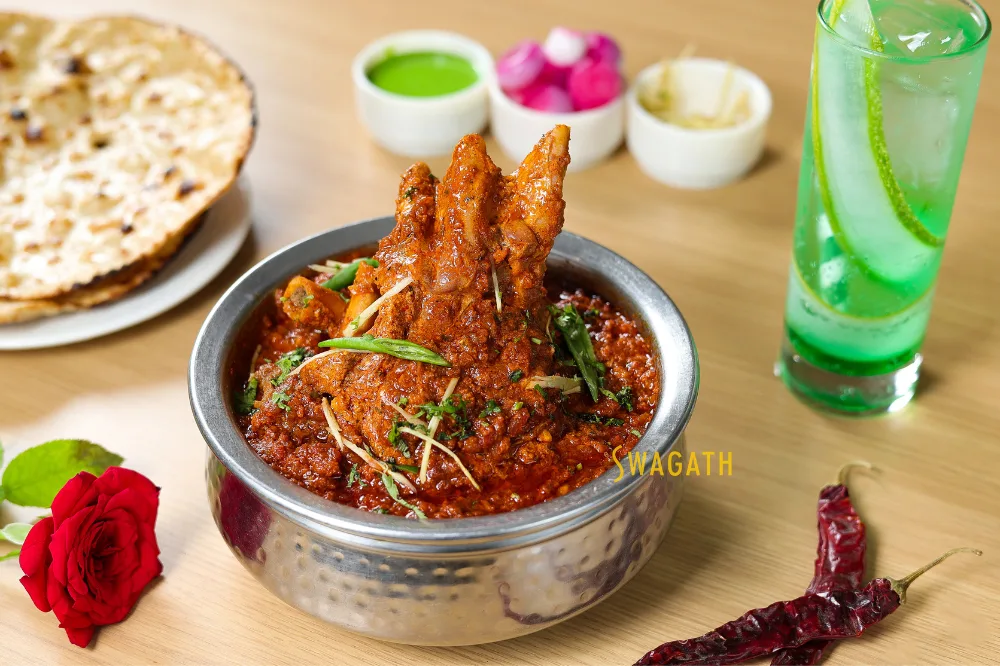
India’s food map stretches from the royal courts in the North to the fishing ports on the coasts, with the two culinary worlds of Mughlai cuisine and coastal cuisines being extremely contrasting yet equally rich. They are strongly linked to history and geography yet represent two vastly different dining experiences. At Swagath Restaurant, we frequently watch our customers debating and pondering over the menu, selecting which world of tastes they wish to experience first.
This blog will help you understand the essence of each cuisine, their signature dishes, and how to choose depending on your taste, mood, and occasion.
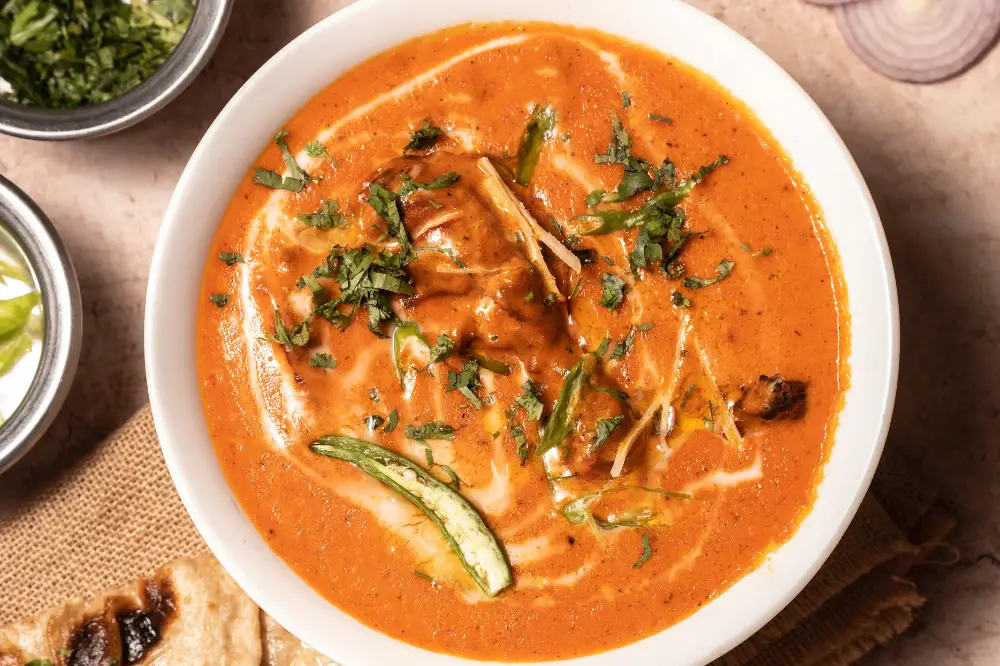
Mughlai dishes were first created in the royal kitchen of the Mughal dynasty and are a combination of cuisines from Persia, Central Asia, and India. For many years, Mughlai cuisine was considered the ultimate representation of richness, known for its thick gravy, succulent meat, and aromatic spices. At Swagath, our dishes reflect the true essence of Mughlai food.
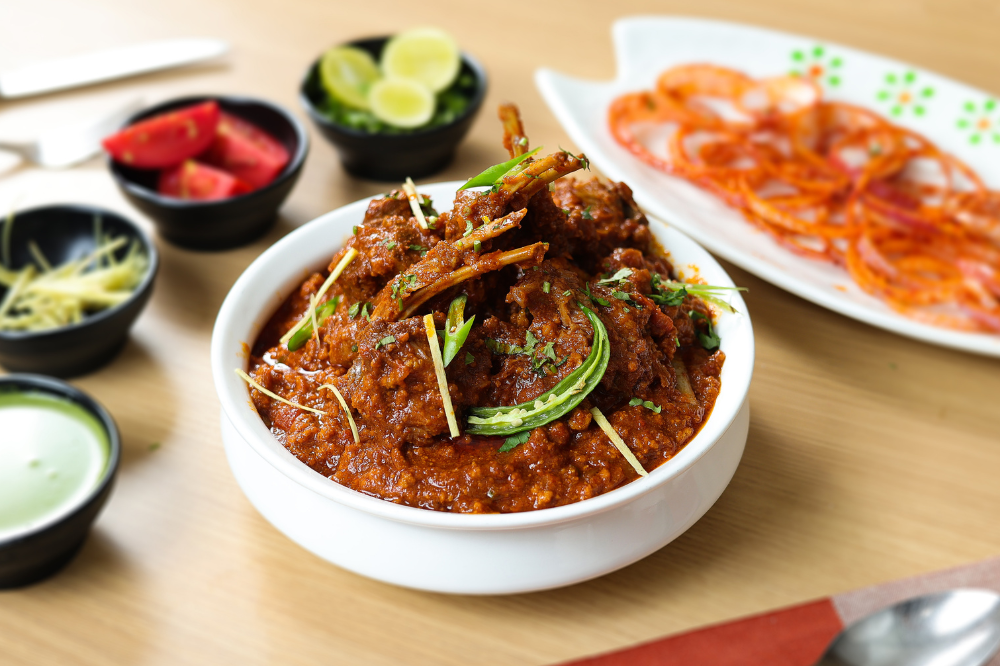
A hallmark of Mughlai dishes is their luxurious texture. The use of ingredients such as cream, ghee, and crushed nuts like almonds and cashews, along with curds and slowly spiced gravies gives an extremely smooth and rich flavour to the dishes. Methods like dum pukht, which involve sealing the food in pots for many hours, help to soften meats and infuse flavours. Famous dishes include Hyderabadi Biryani, Rogan Josh, Shahi Paneer, Korma, Nihari, Galouti Kebabs, and Murg Musallam, each carrying centuries of culinary tradition.
Mughlai meals are not only a treat to taste but also an experience in itself. These dishes are always celebratory, rich, and ideal for festive occasions or simply enjoying a delicious meal. The food is rich in the use of aromatic and pungent spices like cardamom, cloves, saffron, and black pepper
paired with proteins like mutton, lamb, chicken, or paneer. Pair these dishes with naan, roomali roti, or sheermal, and you have a meal that’s as regal as it is satisfying.
Coastal food transports you to the Indian coast by introducing dishes that are inspired by the diverse cooking traditions from the Indian shoreline. Stretching from Goa to Kerala and Konkan to Bengal, coastal cooking showcases abundant amounts of fresh seafood, rice, coconut and local produce. Coastal food grew from the diet of fishing and farming communities with centuries of influence from maritime trade, including influences from Portuguese, Arab, and Southeast Asian tastes.
Coastal food tends to be light and fresh, focusing on tangy, spicy, and mildly sweet dishes. The primary elements in coastal cooking include coconut, tamarind, kokum and curry leaves, which give food a refreshing tang. Cooking methods include rapid pan-frying, steaming, and simmering fish in a flavourful coconut and tamarind broth. Goan fish curry, Malabar fish moilee, Andhra prawn masala, Bengali macher jhol and Konkan Malvani fish curry are some of the must-try dishes in coastal cooking.
These dishes are bright and refreshing and perfect for an informal lunch or a lighter dinner, especially in hot weather.
Understanding the contrasts between these two culinary styles helps you make an informed choice. While both are integral to India’s food heritage, they differ in the following contexts:
| Comparison Point | Mughlai Cuisine | Coastal Cuisine |
|---|---|---|
| Overall Taste | Rich, warm, aromatic, and mildly spiced. It feels indulgent because the flavours are layered slowly. | Fresh, tangy, spicy, and lighter. It often has a bright flavour from coconut, tamarind, kokum, and curry leaves. |
| Main Ingredients | Ghee, cream, yoghurt, nuts, saffron, whole spices, chicken, mutton, paneer, and basmati rice. | Fresh fish, prawns, crab, coconut, rice, tamarind, kokum, mustard seeds, curry leaves, and regional spices. |
| Cooking Style | Slow cooking, marination, dum cooking, grilling, and preparation of rich gravies. | Quick simmering, steaming, pan-frying, tempering, and coconut-based cooking. |
| Texture | Gravies are thick, creamy, smooth, and rich. Kebabs and meats are usually tender and soft. | Curries are often lighter, thinner, and sharper. Fried or steamed seafood adds freshness and texture. |
| Use of Spices | Warm and fragrant spices such as cardamom, cinnamon, cloves, bay leaf, saffron, and garam masala. | Punchier and fresher spices including red chillies, turmeric, mustard seeds, curry leaves, coriander, and souring agents. |
| Best Suited For | Festive meals, family dinners, celebrations, and occasions when you want something rich. | Lighter lunches, seafood cravings, warm-weather meals, and tangy flavour lovers. |
| Diet Preference | Suitable for people who enjoy meat, paneer, creamy gravies, biryani, kebabs, and royal-style meals. | Suitable for seafood lovers, pescatarians, and people who prefer fresh, spicy, coconut-based dishes. |
| Dining Experience | Feels royal, comforting, and celebratory. Usually enjoyed as a slow, satisfying meal. | Feels refreshing, vibrant, and rooted in regional coastal traditions. It is lively and flavour-forward. |
At Swagath Restaurant, we guide our guests to the right choice depending on taste, diet, and dining occasion.
At Swagath Restaurant, we want diners to enjoy both of these cuisines. That is why our menu is a blend of royal Mughlai delicacies and savoury coastal dishes bursting with fresh seafood. What this means to you is that in the same sitting, you could be savouring the smooth and rich Mughlai biryani while complementing it with a spicy, zesty coastal fish curry.
Even how you pair your dishes can be a combination of both culinary ideals. For instance, imagine the rich, slow-cooked Mughlai dish of Rogan Josh and steamed coconut fish with fresh green curry – an interesting blend of textures and flavours for every palate, truly experiencing both worlds. Our chefs endeavour to prepare the dishes authentically while also making modifications for contemporary dining without straying from authentic traditional flavour.
Both coastal and Mughlai cuisines offer unforgettable dining experiences. Mughlai represents centuries of royal indulgence, while coastal food celebrates the freshness of the sea and local produce. Your choice should reflect your taste, dietary needs, and dining mood. At Swagath Restaurant, we invite you to explore both cuisines, sample the richness of Mughlai dishes and the zest of coastal meals, and enjoy a culinary journey across India.
So, which flavour adventure will you embark on first?
