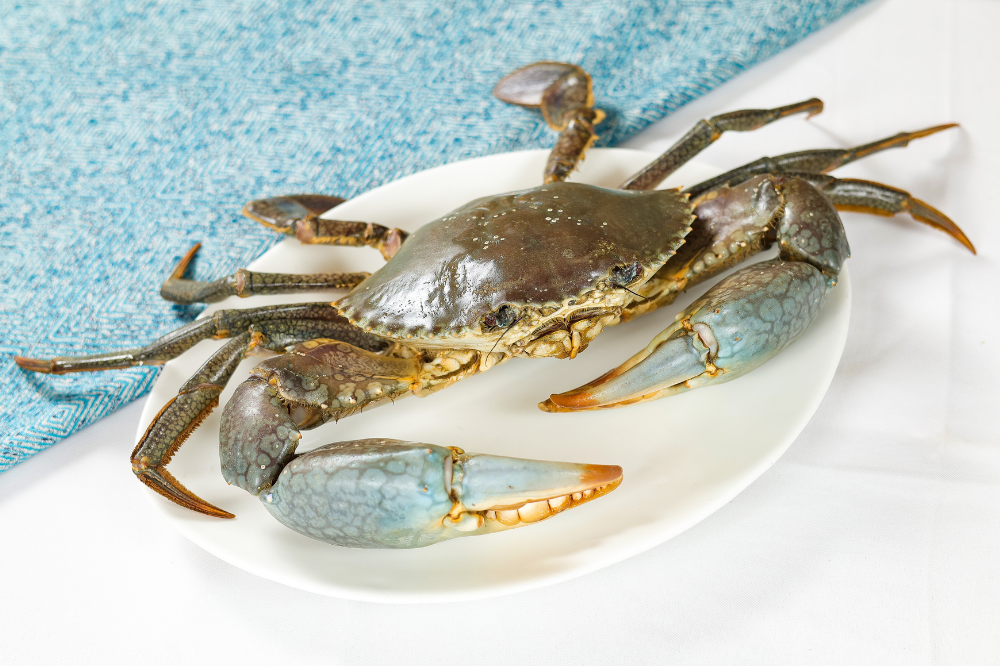
Indian cuisine is full of varieties, with each variety bringing its unique distinction. Coastal seafood, for instance, is among the list which carries its own rhythm that makes it different from the rest. It is moulded by the sea, the weather, and the traditional ways our people have been cooking for generations.
In this blog, understand the difference brought to you by Swagath, one of the finest seafood restaurants in Gurgaon. We speak from our experience that knowing how your dish is made and served makes your culinary experience so much better.
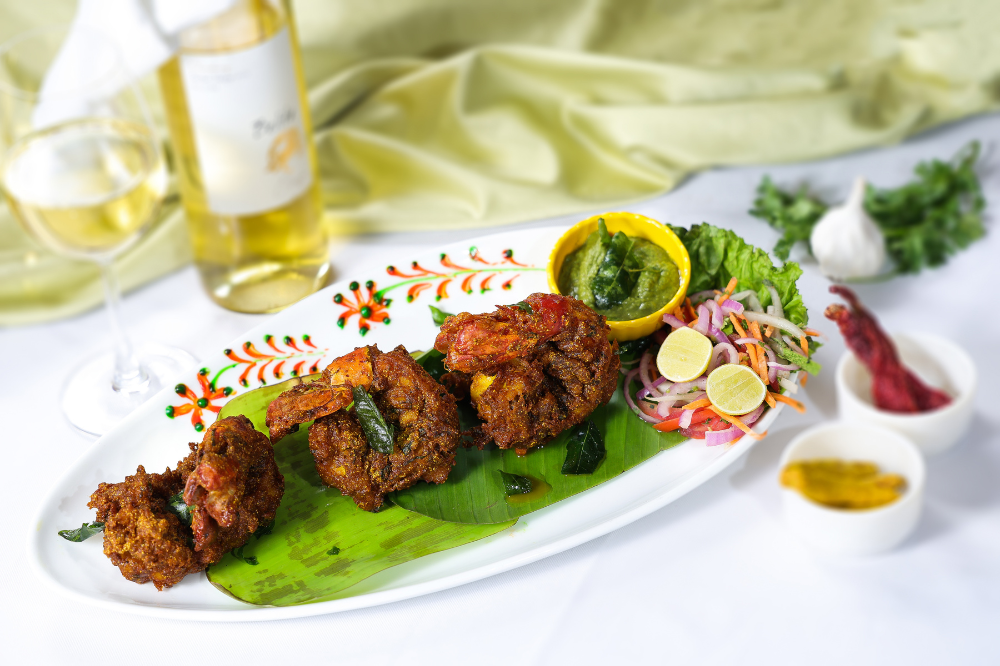
If you’ve grown up eating North Indian food, then you know all about thick, creamy gravies, long-cooking processes, and satisfying, heavy meals. But the moment you sample some seafood, there’s an immediate contrast in how it differs from what you’re accustomed to.
It may have more delicacy in its taste without compromising on its richness. You will be able to savour each flavour, slowly building up the spice level, but not being overwhelmed by it. Most importantly, you won’t find yourself feeling too full or stuffed. This is due to the fact that coastal cuisine does not revolve around heavy ingredients such as cream or butter. Rather, it is based on freshness and simplicity.
Here at Swagath restaurant, we frequently observe that first-time visitors assume that seafood would be the same as any other Indian curry. But once they try it, the difference becomes clear without needing much explanation.
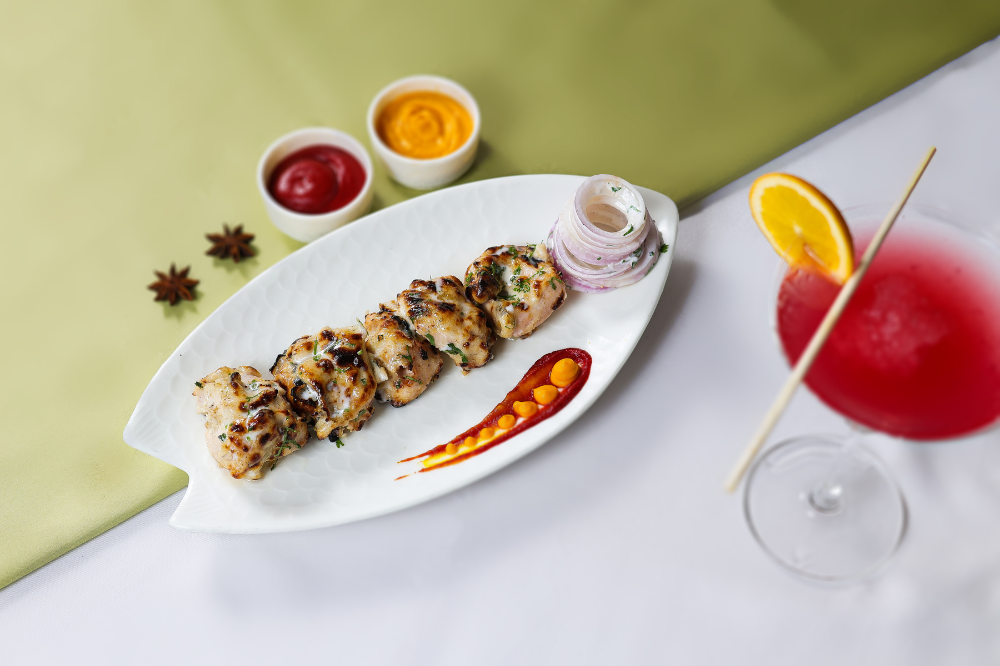
One of the most apparent distinctions between coastal Indian cooking and traditional Indian cuisine is found in what comprises the basis of the dish.
Many traditional dishes use cream, cashew paste, or butter to make the gravies thick and rich. This is not how things are done when it comes to coastal Indian cuisine. Coconut is one of the key ingredients in coastal dishes, either fresh coconut, coconut milk, or even coconut oil, used to prepare the food. This way, the dish gets its own natural richness without feeling too heavy.
If you’ve ever had a fish curry that feels light but still satisfying, it is usually because coconut is doing the work quietly in the background.
The next distinct feature of coastal cuisine would be the approach towards giving the dish its tang. Unlike the traditional cuisine, which uses ingredients such as tomatoes and curd to make the meal tangy, dishes prepared along the coast include ingredients such as tamarind, kokum, raw mango, and sometimes kudampuli.
Apart from adding a touch of sourness, these ingredients give a clear cut to the dish and make sure that the seafood does not appear to be very rich in taste. This ensures that the seafood comes out tasting fresh rather than being overpowering.
If you’ve tried seafood at Ambience Mall in Gurgaon, at the restaurants that stick to coastal styles, you might notice that this tang is what keeps the dish from being too strong.
Spices used in coastal cuisine differ from the usual expectation for Indian spices.
Unlike traditional spices used in Indian cuisine, which rely on spice mixes for intensity, the emphasis is on aromatics and layers of taste. Curry leaves, mustard seeds, fenugreek, and black pepper are among the spices that contribute to the creation of an aroma that builds up with consumption.
For this reason, the flavour profiles of coastal cuisine tend to be more “pure”. They do not overwhelm one immediately but unfold slowly, making each bite feel slightly different from the last.
Unlike meat and vegetables, seafood is totally different and needs special preparation techniques. While gravies are slowly prepared and allowed to thicken, seafood must be prepared quickly. Overcooked fish and prawns end up hard instead of soft, which makes timing so important. Done properly, the fish will still be tender and juicy while at the same time absorbing enough flavours.
One of the unique preparation techniques used in Indian coastal food is preparing the fish in banana leaves. The fish is spiced up, wrapped carefully, and steamed. This ensures that the fish retains its moisture content while cooking on itself and acquiring an earthy flavor from the banana leaves.
It may look simple, but it requires patience and precision to get it right.
For lovers of food with some crunch, tawa fry should be your go-to cooking technique. Here, the fish is first spiced, and then a coat of semolina or rice flour is spread on top before frying the fish in a flat pan. The outcome is crunchy and crispy on the outside but soft and fluffy on the inside.
This dish is always recommended by our customers who look for seafood restaurants in Gurgaon since it will give you taste as well as texture.
Even coastal biryanis have their own method of preparation. It consists of trapping the aroma and steam within the container in order to make the flavours develop progressively without affecting the overall heaviness of the meal. This method is comparatively slower, but it adds depth without losing balance.
One of the most interesting things about coastal Indian cuisine is that it changes significantly from region to region. When you explore different styles of coastal seafood, you realise that each region tells its own story through flavour.
In these regions, coconut is at the centre of most dishes. Curries are often creamy but still balanced, with black pepper adding warmth rather than sharp heat.
The flavours get stronger and more sour here. Many dishes have a strong Portuguese influence, and kokum and vinegar are common ingredients.
This region goes a completely different way by using mustard paste and mustard oil. The end result is a strong, slightly spicy flavour that stands out right away.
If you enjoy spice, these regions deliver it well. Guntur chillies and Chettinad spice blends make dishes that are intense but still have a structure.
Being amongst the finest hubs for seafood in Ambience Mall, our philosophy does not revolve around changing the essence of this delicacy but instead keeping true to its authentic essence.
This is how we do it:
If you’re trying seafood for the first time, we recommend some of our signature dishes to give you the authentic taste of what real seafood is all about:
Once you get to know everything about coastal Indian cuisine, the whole way of enjoying it will change completely. It’s like learning how to appreciate the layers of spice used, the texture of the fish, and the function of the ingredients used in making the dish. As far as dining out at seafood restaurants in Gurgaon, it is best for you to visit Swagath for the best experience. We ensure our seafood offers you the authentic taste without altering the recipe. Simply serving it as it should be served.
So next time you order some seafood, don’t be in a hurry. Take your time and savour the entire moment.
